
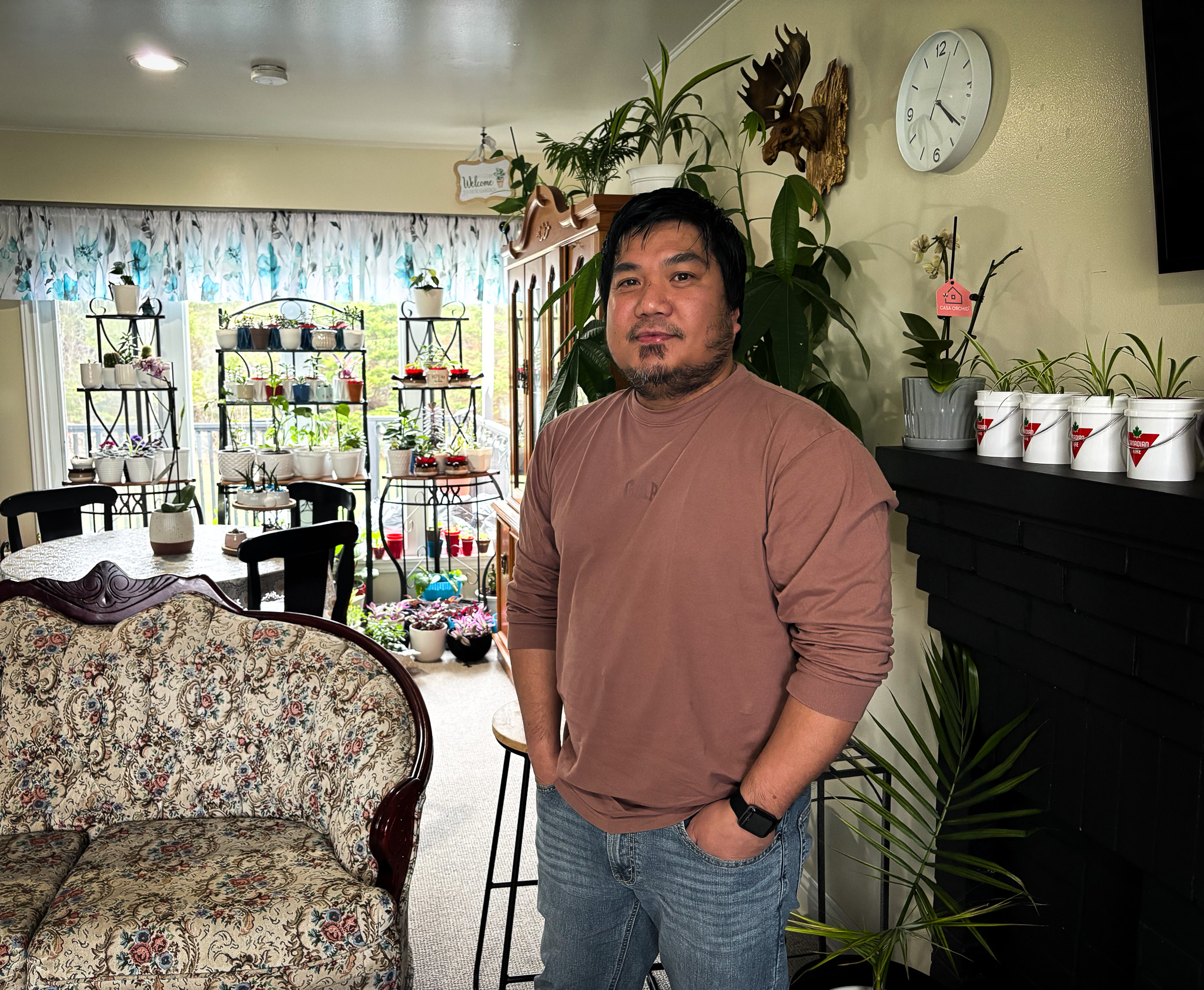
Ariyana Gomes
When Roger Mendoza arrived on the Burin Peninsula 13 years ago, he was stepping into a life that looked very different from the one he had left behind.
He came to Newfoundland and Labrador from the Philippines as a foreign worker, leaving his family behind and knowing almost no one in his new community. At the time, there were only a handful of foreign workers in the area. Roger was the first worker hired from overseas by his employer.
“I got nobody. I didn’t know everybody here,” he recalls.
His first job was at KFC. It was more than just a job. For Roger, it was a pathway to Canada and a chance to build a better life.
He had already worked in Saudi Arabia and Taiwan, but his experience in Newfoundland was different from anything he had known before.
“They are the loveliest person that I ever see in my whole life,” he says of the people who welcomed him to the Burin Peninsula.
Neighbours brought him welcome gifts and checked in to see how he was settling in. Those small gestures mattered. Roger was thousands of kilometres from home, but people were making an effort to make Newfoundland feel a little less unfamiliar.
Still, those first years were lonely. Roger’s family remained in the Philippines, and there was no established Filipino community nearby for him to lean on. So he went looking for one.
He turned to Facebook and found the Filipino Community Association in St. John’s. Even though he was travelling alone, Roger made the trip to attend gatherings and meet people who shared a piece of his home and culture.
He would take a taxi, stay for a few nights and return to the Burin Peninsula. Sometimes, people he had only just met would invite him to stay with them.
That willingness to open their homes to a stranger became an important part of Roger’s early Canadian experience. Community, he learned, did not always have to begin with people you already knew.
Sometimes, it began with an invitation.
“There’s a lot of doors that opened for me.”
Roger Mendoza
Choosing to Stay
After more than a decade on the Burin Peninsula, Roger has had opportunities to leave.
In 2022, he and his family moved temporarily to St. John’s while he explored the possibility of opening his own restaurant. It was an opportunity he had dreamed about for years.
The business did not work out as planned. But Roger does not see the experience as a failure.
“Maybe I would regret it if I didn’t try.”
After two months, the family returned to the Burin Peninsula.
The welcome they received reinforced what Roger had already come to understand about the place. People remembered him. His landlord helped him find a place to live while he waited for a larger house to become available. Employers opened doors. Friends offered support.
He found new opportunities in the local food and hospitality industry, including a management position in a local restaurant, building on his previous work as a kitchen supervisor.
For Roger, returning to Marystown was not simply about finding another job. He was excited to return to a community where he had spent years building relationships.
“There’s a lot of open doors that opened for me,” he says. “That’s just a door that opened for me big time.”
Today, Roger and his family are working toward putting down even deeper roots. They hope to eventually purchase their home and remain in the community long-term. “We want to stay in here with the kids and settle down,” he says.
A community that keeps opening its doors
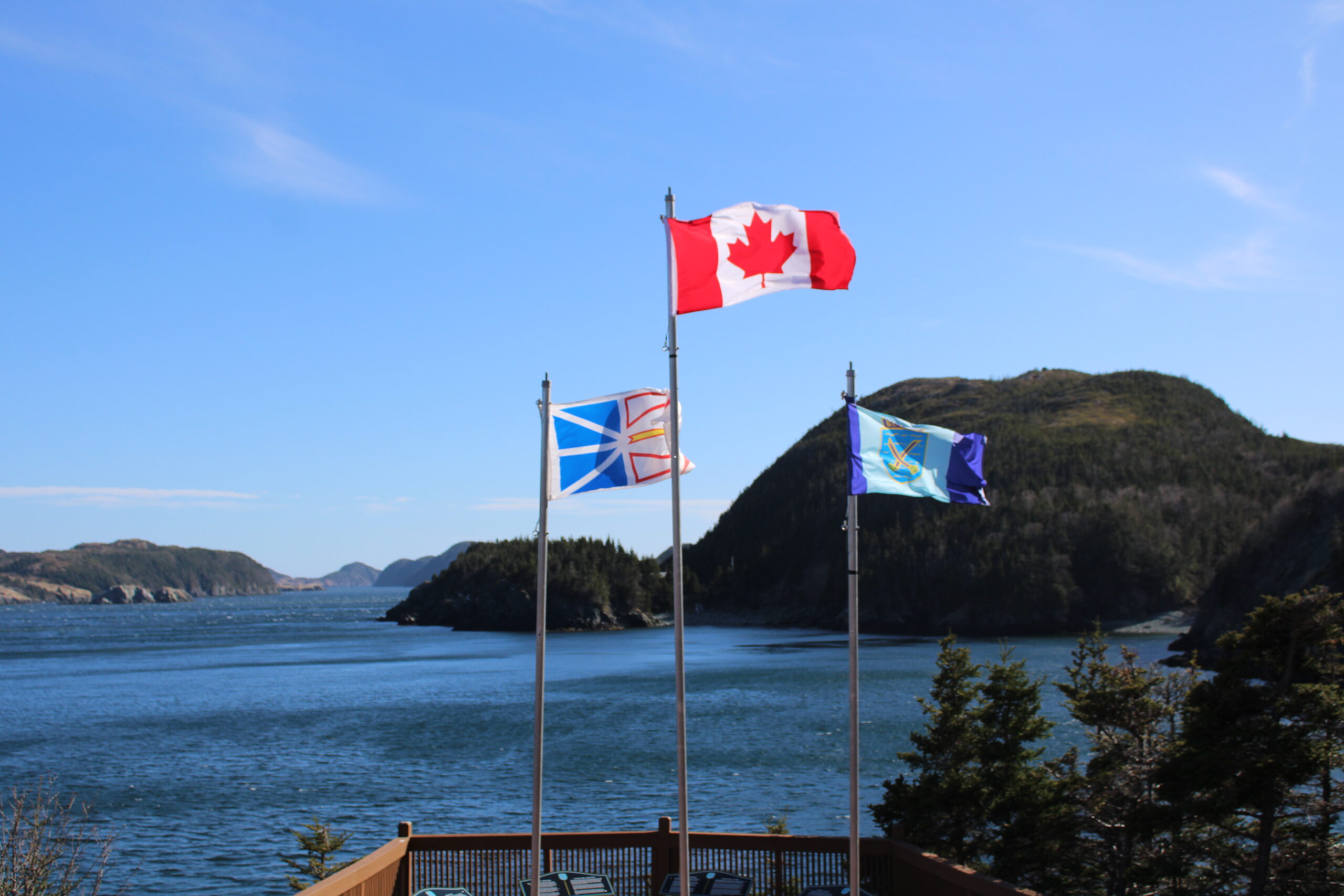
Roger understands why some newcomers eventually leave rural Newfoundland and Labrador. People have different professional goals, family connections and ideas about what they want their future to look like. Some move to larger centres to pursue their professions or find opportunities that are not available locally.
But Roger has found what he needs where he is.
He points to the practical things first: work, schools, health care, restaurants, groceries and growing businesses. But underneath all of those things is something less tangible and, for Roger, more important.
The people.
When newcomers arrive in the area today, Roger tries to offer them the same welcome he received. He visits them, brings small gifts and checks in again after they have had time to settle.
He asks them what they think of the community.
The response often sounds familiar.
“They say we love this place. People are so welcoming.”
Thirteen years after arriving as one of the area’s first foreign workers, Roger is no longer the newcomer looking for someone to call.
He is one of the people doing the welcoming.
And that may be the clearest sign of how far his journey has taken him.